

오늘의 한마디
2026학년도 수능 영어 40번, 원문 공개 (글의 출처)
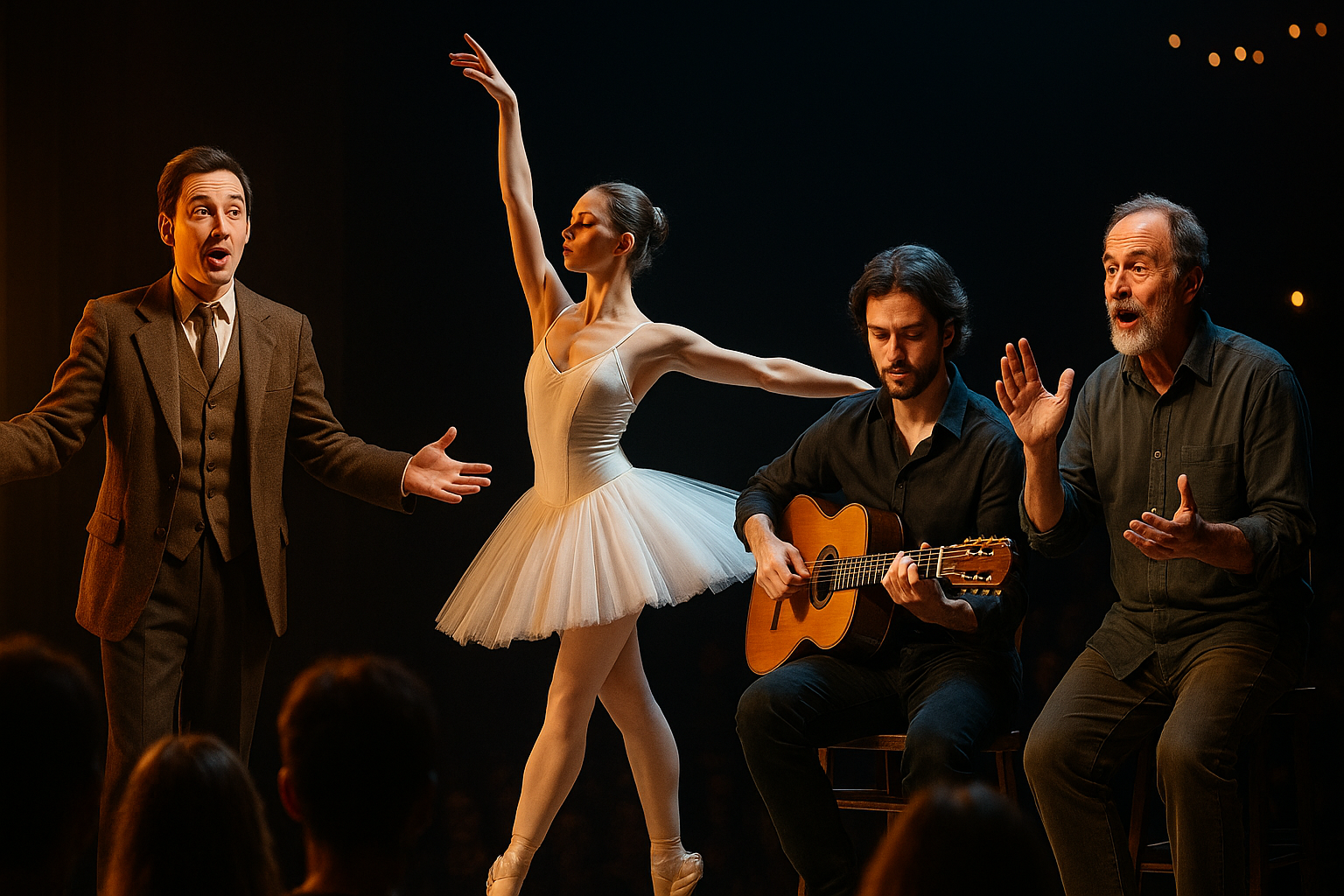
In modern societies, the performing arts form a distinct
category of public entertainment in opposition to the mass
distribution through the media of expertly staged
performances which have been recorded and edited. By
contrast, theater, ballet, circus, concert, rodeo, storytelling,
etc., unfold their signs in real space and time, and engage
audiences who respond cognitively and emotionally on the
spot. Performers and audiences are involved in shared
enjoyment. But sometimes frustration occurs within the
boundaries of such ritualistic events. In industrialized and
computerized cultures, the performing arts become
economically unstable because the institutions which
sustain them increasingly depend on public and corporate
funding. However, they retain their power of fascination
for large, if not massive audiences, who prize the experiential,
risk-loaded and one-time event quality they afford. In
traditional and local cultures, performances still survive
and provide their audiences with a unique fulfillment in
smaller scale, economically sustainable institutional settings.
* ritualistic: 의식의
답:
출처는 기호학 분야의 권위 있는 학술지인 **《Semiotica》**에 게재된 논문입니다. 정확한 서지 정보는 다음과 같습니다.
정확한 레퍼런스 (APA 양식)
-
저자: Bouissac, P.
-
연도: 1998
-
제목: The profusion of signs and the scarcity of meanings: Notes on the economy of semiotic resources
-
학술지: Semiotica
-
권(호): 122(3/4)
-
페이지: 265–288 (해당 문구는 266페이지에 위치함)
출처 분석 및 배경
이 텍스트는 **폴 부이사크(Paul Bouissac)**가 작성한 논문의 도입부 중 일부입니다. 그는 이 논문에서 공연 예술(Performing Arts)이 가진 '실시간성'과 '일회성'이라는 특성이 현대 미디어의 '복제 가능성'과 어떻게 대비되는지를 설명합니다.
-
핵심 내용: 현대 사회에서 공연 예술은 녹화되고 편집된 대중 매체(Mass Media)와 대조되는 독특한 영역을 형성합니다. 비록 경제적으로는 공공 및 기업의 지원에 의존해야 하는 불안정한 상태에 놓여 있지만, 관객들은 그 현장에서만 느낄 수 있는 **'위험부담(risk-loaded)'**과 **'일회성(one-time event quality)'**에 매료된다는 점을 강조하고 있습니다.
이 텍스트는 한국의 수능 특강이나 공무원 영어 시험, 편입 영어 등 국내 영어 독해 교재 및 시험에서 '예술의 가치'나 '매체와 공연의 차이'를 다루는 지문으로 자주 인용되기도 합니다.
제시된 텍스트는 대한민국 교육기관에서 출제된 모의고사 영어 영역의 요약문 완성 문제에 사용된 원문 지문입니다. 이 글은 대중 매체의 공연과 대비되는 공연 예술(performing arts)의 고유한 특성(현장성과 일회성)과 경제적 불안정성을 설명하고 있습니다.
원문 출처 정보 (Primary Source Document)
-
종류 (Type): 2017년 3월 고3 전국연합학력평가 (모의고사) (National Academic Achievement Assessment for 12th Grade, March 2017)
-
과목/문항 (Subject/Item): 영어 영역 40번 문항 (요약문 완성 문제의 지문)
-
시행 주체 (Administered by): 서울특별시교육청 (Seoul Metropolitan Office of Education)
정확히 일치하는 원문 (하이라이트)
제시된 텍스트는 해당 시험 문제지에 수록된 지문의 내용과 완벽하게 일치하는 부분입니다.
In modern societies, the performing arts form a distinct category of public entertainment in opposition to the mass distribution through the media of expertly staged performances which have been recorded and edited. By contrast, theater, ballet, circus, concert, rodeo, storytelling, etc., unfold their signs in real space and time, and engage audiences who respond cognitively and emotionally on the spot. Performers and audiences are involved in shared enjoyment. But sometimes frustration occurs within the boundaries of such ritualistic events. In industrialized and computerized cultures, the performing arts become economically unstable because the institutions which sustain them increasingly depend on public and corporate funding. However, they retain their power of fascination for large, if not massive audiences, who prize the experiential, risk-loaded and one-time event quality they afford. In traditional and local cultures, performances still survive and provide their audiences with a unique fulfillment in smaller scale, economically sustainable institutional settings.