

오늘의 한마디
2026학년도 수능 영어 38번, 원문 공개 (글의 출처)
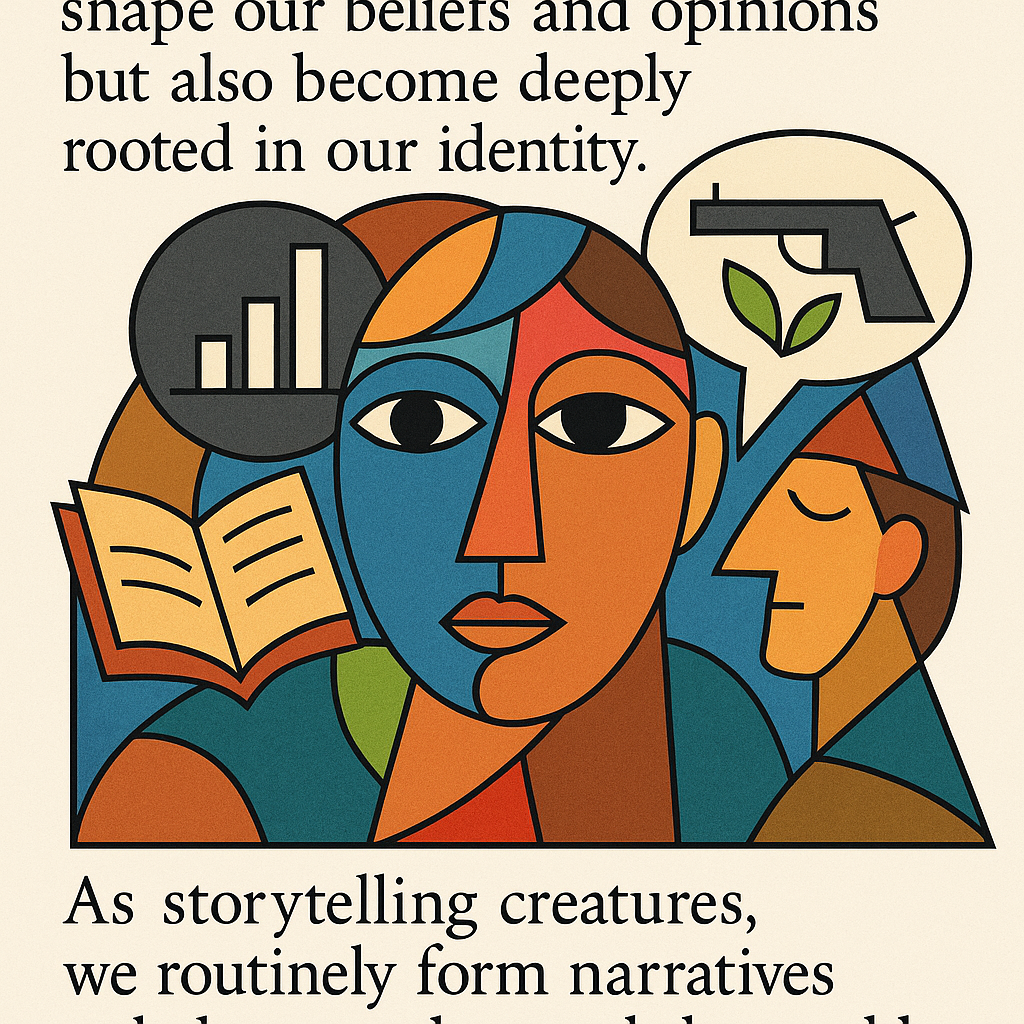
While stories clearly dominate statistics from both memorability and persuasiveness perspectives, it’s rarely a battle between facts and anecdotes ― or even facts and other facts. The real clash is actually between stories: the predominant incumbent and a new challenger. ( ① ) As storytelling creatures, we routinely form narratives to help us understand the world around us. ( ② ) When we experience different events or encounter various facts, our minds seek to make sense of them by forming stories around them. ( ③ ) For example, if you have had some bad experiences with graduates from a particular university, you may create a negative narrative in your mind about people who went to that school. ( ④ ) Suddenly, you judge everyone from the university by what you’ve experienced on just a few unfortunate occasions. ( ⑤ ) For example, the narratives you have formed around gun control or climate change are most likely related with your political ideology ― who you are as an individual.
* anecdote: 일화 ** incumbent: 점유자
답:
이 글의 출처는 **폴 스미스(Paul Smith)**가 저술한 스토리텔링 전략서인 《Sell with a Story: How to Capture Attention, Build Trust, and Close the Sale》 (2016년 출간)입니다.
구체적인 정보는 다음과 같습니다:
정확한 출처 (Reference)
-
저자: Paul Smith
-
도서명: Sell with a Story: How to Capture Attention, Build Trust, and Close the Sale
-
출판사: AMACOM (American Management Association)
-
출판 연도: 2016
-
해당 내용: 이 책의 Chapter 3: What Is a Story? (And What It Is Not) 또는 서론(Introduction) 부분에서 통계보다 스토리의 힘이 강력하며, 설득은 결국 '기존의 스토리'와 '새로운 스토리'의 싸움이라는 맥락에서 등장합니다.
주요 내용 요약
제시하신 지문은 인간의 뇌가 정보를 처리하는 방식을 설명하며 다음의 핵심 논지를 펼칩니다:
-
스토리 vs 스토리: 설득은 단순히 팩트를 전달하는 것이 아니라, 상대방이 이미 머릿속에 가지고 있는 '기존의 이야기(Incumbent)'를 새로운 '도전자의 이야기(Challenger)'로 교체하는 과정입니다.
-
의미 부여: 인간은 단편적인 사실들을 연결해 하나의 서사를 만듦으로써 세상을 이해하려 합니다. (예: 특정 대학 졸업생에 대한 편견)
-
정체성 결합: 이러한 내러티브가 정치적 견해나 개인의 가치관과 결합할 때, 단순한 의견을 넘어 한 사람의 정체성을 형성하게 된다는 점을 강조합니다.
이 책은 비즈니스와 영업 분야에서 스토리를 어떻게 전략적으로 활용할 것인가를 다루고 있지만, 심리학과 행동경제학적 통찰을 바탕으로 하고 있어 일반적인 커뮤니케이션 이론에서도 자주 인용됩니다.
제시된 텍스트는 대한민국 교육기관에서 출제된 모의고사 영어 영역의 주어진 문장 넣기 문제에 사용된 원문 지문입니다. 이 글은 사람들이 통계나 사실보다는 이야기에 더 설득당하며, 진정한 갈등은 기존의 이야기와 새로운 이야기 사이에서 발생한다는 점을 설명하고 있습니다.
원문 출처 정보 (Primary Source Document)
-
종류 (Type): 2016년 11월 고2 전국연합학력평가 (모의고사) (National Academic Achievement Assessment for 11th Grade, November 2016)
-
과목/문항 (Subject/Item): 영어 영역 39번 문항 (주어진 문장 넣기 문제의 지문)
-
시행 주체 (Administered by): 경기도교육청 (Gyeonggi Provincial Office of Education)
정확히 일치하는 원문 (하이라이트)
제시된 텍스트는 해당 시험 문제지에 수록된 지문의 내용과 완벽하게 일치하는 부분입니다.
While stories clearly dominate statistics from both memorability and persuasiveness perspectives, it’s rarely a battle between facts and anecdotes ― or even facts and other facts. The real clash is actually between stories: the predominant incumbent and a new challenger. ( ① ) As storytelling creatures, we routinely form narratives to help us understand the world around us. ( ② ) When we experience different events or encounter various facts, our minds seek to make sense of them by forming stories around them. ( ③ ) For example, if you have had some bad experiences with graduates from a particular university, you may create a negative narrative in your mind about people who went to that school. ( ④ ) Suddenly, you judge everyone from the university by what you’ve experienced on just a few unfortunate occasions. ( ⑤ ) For example, the narratives you have formed around gun control or climate change are most likely related with your political ideology ― who you are as an individual.