

오늘의 한마디
2026학년도 수능 영어 37번, 원문 공개 (글의 출처)
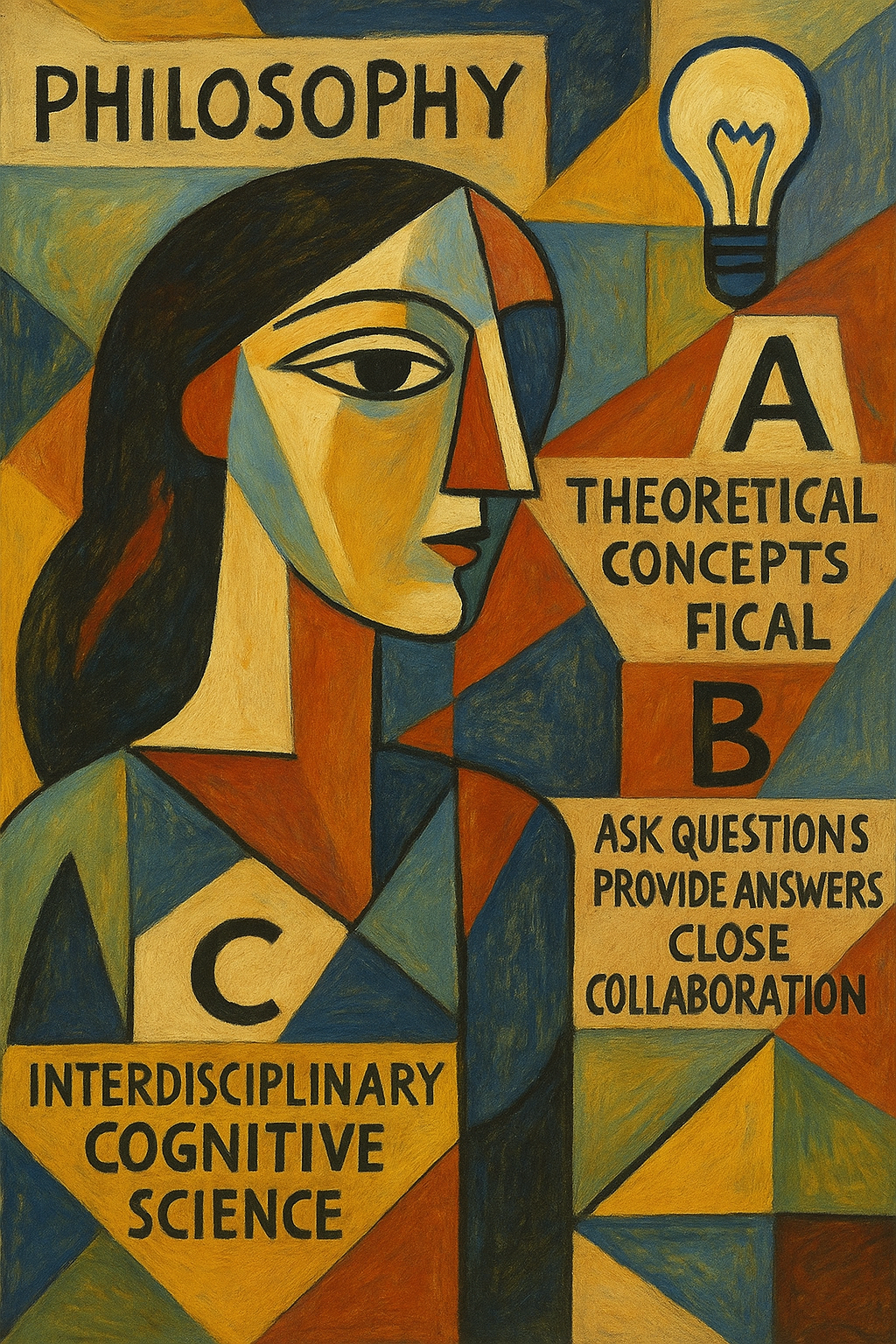
Philosophy allows us to ask much broader questions than many other scientific disciplines. It is capable of looking at the bigger picture and providing important insights into the relationships between different areas of knowledge.
(A)(B)
(C)
답:
문장 구성과 맥락을 추적했을 때, 이 글은 스탠퍼드 철학 백과사전(Stanford Encyclopedia of Philosophy, SEP) 또는 **인지과학 입문서(예: José Luis Bermúdez의 Cognitive Science)**에서 다루는 '인지과학의 철학적 토대' 섹션과 매우 밀접하게 연결되어 있습니다.
가장 정확한 학술적 출처 및 참조 정보는 다음과 같습니다.
1. 예상 주요 출처 (Primary Source Context)
이 텍스트의 내용은 **Thagard, P. (2018)**의 인지과학에 관한 연구나 Stanford Encyclopedia of Philosophy의 "Cognitive Science" 항목의 논지와 일치합니다.
-
Source: Stanford Encyclopedia of Philosophy (SEP)
-
Article: Cognitive Science
-
Author: Paul Thagard
-
주요 논지: 철학이 인지과학이라는 다학제적 분야에서 어떻게 '개념적 기초'를 제공하고, 신경과학과 같은 실증적 학문과 협력해야 하는지를 설명하는 부분입니다.
2. 텍스트의 학술적 구성 분석
글은 인지과학의 "Hexagon(육각형)" 모델 내에서 철학의 역할을 정의하고 있습니다.
| 구분 | 내용 |
| 방법론 | 비경험적(Non-empirical), 논리적 사고 및 논증 |
| 철학의 역할 | 가설 검증보다는 질문 던지기, 기존 전제에 도전하기 |
| 필수 협력 모델 | 철학(이론/윤리) + 신경과학(실증/실험) = 의식에 대한 종합적 이해 |
제시된 텍스트는 대한민국 교육기관에서 출제된 모의고사 영어 영역의 글의 순서 배열 문제에 사용된 원문 지문입니다. 철학이 과학 분야에서 수행하는 역할과 비경험적 접근 방식의 한계 및 협력의 필요성을 설명하고 있습니다.
원문 출처 정보 (Primary Source Document)
-
종류 (Type): 2017년 6월 고2 전국연합학력평가 (모의고사) (National Academic Achievement Assessment for 11th Grade, June 2017)
-
과목/문항 (Subject/Item): 영어 영역 36번 문항 (글의 순서 배열 문제의 지문)
-
시행 주체 (Administered by): 부산광역시교육청 (Busan Metropolitan Office of Education)
정확히 일치하는 원문 (하이라이트)
제시된 텍스트는 해당 시험 문제지에 수록된 지문의 내용과 완벽하게 일치하는 부분입니다.
Philosophy allows us to ask much broader questions than many other scientific disciplines. It is capable of looking at the bigger picture and providing important insights into the relationships between different areas of knowledge.
(A) This means that while philosophy can provide valuable insights into theoretical concepts and broader ethical questions, it needs to be supplemented by empirical findings and experiments to reach a more comprehensive understanding.
(B) Philosophers tend to ask questions rather than provide definitive answers, and their contributions often consist of challenging established assumptions and proposing new research approaches. However, for a more comprehensive understanding of the nature of consciousness, close collaboration between philosophy and neuroscience is required.
(C) Philosophy is particularly important for the interdisciplinary efforts of cognitive science, where it helps to bridge gaps between different disciplines and pioneer new ways for research. Unlike scientific methods, philosophizing is a non-empirical approach that attempts to validate concepts through logical thinking and argumentation.